

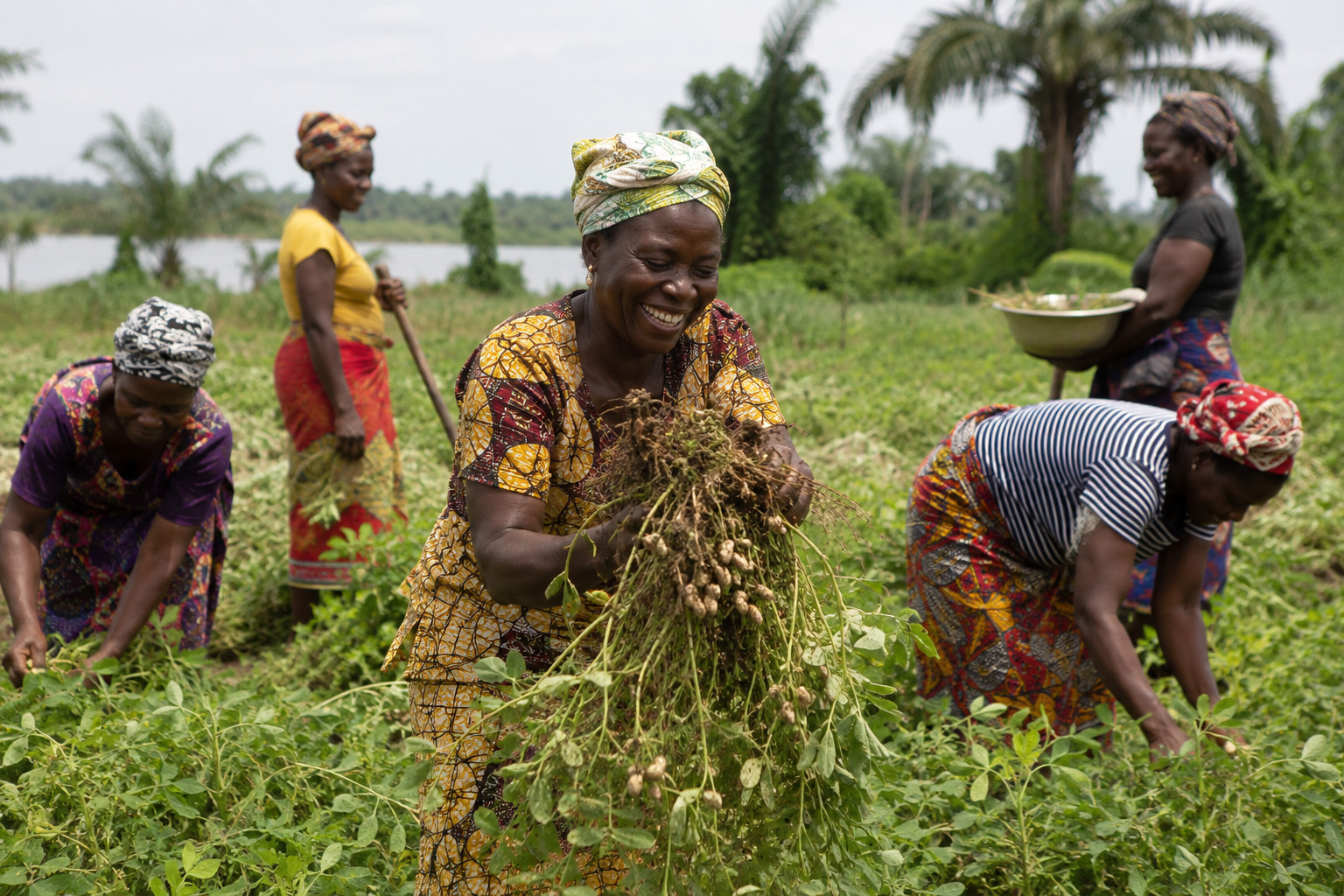
Women play a vital role in agriculture and rural development in Bayelsa State. Across many rural communities, they contribute significantly to food production, processing, and household livelihoods. Agriculture remains a major source of income and sustenance for families in the state, and women form the backbone of this sector through their active participation in farming, fishing, and agro-processing activities.
Women dominate agricultural activities mainly in the Ijaw riverine communities of Bayelsa State, particularly in Sagbama, Ogbia, Ekeremor, Kolokuma/Opokuma, and rural areas of Yenagoa. These communities depend heavily on natural resources for their livelihoods, and women have traditionally played a leading role in ensuring food availability and supporting family welfare through agricultural production.
The major agricultural activities undertaken by women in these areas include cassava cultivation, fishing, plantain farming, vegetable production, and agro-processing. Cassava processing into products such as garri and fufu provides income for many households, while fishing and fish processing remain important economic activities in the riverine environment. Women also engage in the cultivation of vegetables and plantains, which contribute significantly to local food supply and nutrition.
One of the greatest advantages of women’s involvement in agriculture is the promotion of food security. Through their farming and processing activities, women ensure a steady supply of food for their families and communities. The income generated from agriculture also supports household expenses, including children’s education, healthcare, and nutrition. As a result, women’s participation in agriculture directly improves family welfare and strengthens rural economies.
Despite their contributions, women farmers face several challenges that limit their productivity and economic growth. One major disadvantage is limited access to land ownership, as traditional customs often favor men in land allocation and inheritance. Women also face difficulties obtaining agricultural credit and financial support, making it harder to invest in improved farming technologies and expand their operations.
Environmental and infrastructural challenges further affect women in agriculture. Frequent flooding, oil pollution, and environmental degradation in the Niger Delta reduce soil fertility and agricultural output. In addition, poor road networks, inadequate storage facilities, and limited access to markets increase post-harvest losses and reduce profitability. These challenges force many women to remain in subsistence farming rather than transitioning into commercial agriculture.
Women contribute more to the subsistence and rural economy than to large-scale commercial agriculture, yet their impact on community development is immense. Empowering women through improved access to land, credit facilities, training, modern farming technologies, and market opportunities can significantly enhance agricultural productivity. Such empowerment not only reduces poverty but also promotes sustainable rural development, making women key drivers of economic growth and social progress in Bayelsa State.