

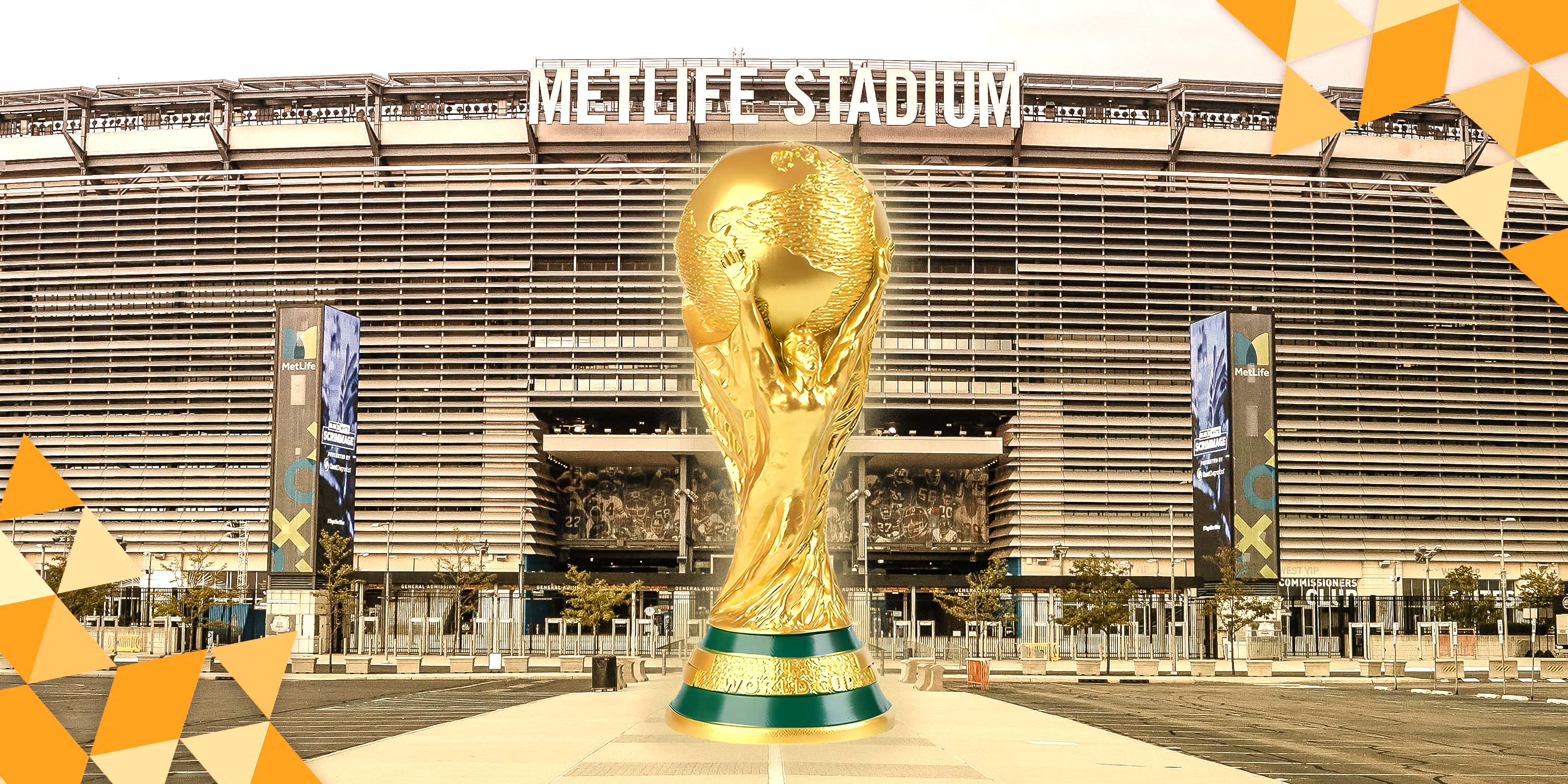
The FIFA World Cup is football’s greatest stage. As the most followed sport in the world, football has a unique power to connect nations, cultures, communities, and emotions in a way few global events can. Every four years, the tournament becomes more than a sporting competition. It becomes a festival of identity, pride, politics, economics, and human passion.
The 2026 FIFA World Cup, hosted by the United States, Canada, and Mexico, is historic in many ways. It is the first World Cup to be hosted by three countries and the first to feature 48 teams. Yet, as the tournament unfolds, it is not only the football on the pitch that is attracting attention. Immigration fears, visa restrictions, rising travel costs, expensive tickets, and wider political tensions have created a difficult atmosphere around what should ideally be a celebration of the beautiful game.
Every World Cup has had its critics. When South Africa hosted the tournament in 2010, it was the first time the competition came to African soil. Before the opening match, some observers raised concerns about security, infrastructure, and crime. Yet those doubts could not stop Siphiwe Tshabalala from scoring a goal that echoed across the continent and became one of the most unforgettable moments in World Cup history. South Africa 2010 went on to create an atmosphere that many still remember for its colour, sound, joy, and powerful African spirit.
Qatar 2022 was also surrounded by criticism. As the first Middle Eastern country to host the World Cup, Qatar faced intense global scrutiny over workers’ rights, women’s rights, LGBTQ+ rights, alcohol restrictions, and the cultural expectations of welcoming a global audience. Some critics called for boycotts. Others argued that the tournament exposed the double standards and cultural tensions that often accompany global events. Yet, in the end, the world watched as Lionel Messi lifted the trophy, completing one of football’s most emotional stories in the heat of the Gulf.
The 2026 edition is different, but not free from controversy. This time, the concerns are tied strongly to immigration, access, affordability, and the political climate in the United States, one of the three host nations. Under President Donald Trump’s administration, stricter immigration policies and travel restrictions have raised concerns among fans, teams, officials, and diaspora communities hoping to participate in or attend the tournament.
For many football supporters, the World Cup is supposed to represent openness. It is meant to invite the world in. But reports of visa difficulties, travel bans, increased scrutiny, and fear of immigration enforcement have made some fans feel excluded from the very celebration they helped create through their passion for the game.
Iran, Haiti, Senegal, Côte d’Ivoire, and other countries have been mentioned in reports about fans facing serious travel barriers or heightened immigration hurdles. Some supporters have reportedly been denied visas after making plans to attend, while others have depended on diaspora communities already living in North America to represent their countries in the stands.
The issue has not affected fans alone. Somali FIFA referee Omar Abdulkadir Artan was reportedly unable to officiate at the tournament after being denied entry into the United States. FIFA confirmed that he would be unable to train and officiate after the visa denial, while also stating that it was not involved in host-country immigration decisions.
Such incidents raise an important question: how can a tournament that claims to welcome the world function properly when some of the world’s people face barriers at the gate? Football may be universal, but access to football’s biggest event is still shaped by passports, politics, money, and power.
There has also been concern over the presence of immigration enforcement around the tournament. Some reports stated that U.S. immigration officials would have a security role at World Cup venues, while other reports indicated that certain cities or authorities sought to limit or avoid visible enforcement around stadiums. This uncertainty has added to the anxiety of immigrant communities and international visitors.
Beyond immigration, cost has become another major issue. Attending the 2026 World Cup has become increasingly expensive for many fans. Ticket prices, accommodation, transportation, food, and drinks have all contributed to the feeling that the tournament is becoming less accessible to ordinary supporters. Reports have highlighted sharp increases in ticket prices, with some premium categories far higher than those seen in Qatar 2022.
Inside some stadiums, fans have also complained about expensive food and drinks, including high prices for basic refreshments. For many supporters who have travelled long distances, these costs add another layer of pressure to an already expensive journey.
To be fair, not every rising cost can be blamed directly on FIFA or the host nations. Inflation, strong demand, hotel pricing, transportation costs, energy market pressures, and the commercial nature of major sporting events all play a role. However, the larger concern remains valid: if the World Cup becomes too expensive for ordinary fans, then the tournament risks losing part of its soul.
Football was built by ordinary people. It belongs to children playing barefoot in dusty streets, workers gathering after long shifts, families shouting at television screens, and communities finding joy in a shared dream. When access to the World Cup becomes defined by wealth, visa privilege, and political comfort, the spirit of the game is weakened.
The 2026 World Cup is still capable of producing magic. The first ball has been kicked. The stadiums are alive. Nations are competing. Fans are singing. New heroes will emerge, old dreams will be broken, and unforgettable moments will still be written into football history.
Yet this tournament also forces the world to confront uncomfortable questions. Who is truly welcome at global events? Who can afford to attend? Whose passport opens doors, and whose passport closes them? Can football remain a game of the people when the cost of participation continues to rise?
As we watch the beautiful game, many fans will also be thinking about their wallets, their visas, and, for some, the fear of being delayed, questioned, detained, or turned away by immigration authorities.
Welcome to the 2026 World Cup, a tournament of football, pride, celebration, politics, exclusion, resilience, and rising costs.