In the digital age, African visual artists are finding powerful new ways to preserve, promote, and transform the continent’s rich artistic heritage. Through digital platforms, social media, online exhibitions, and modern creative tools, they are sharing African stories with wider audiences while keeping cultural traditions alive.
This movement shows that African visual arts are not limited to the past. They are dynamic, adaptable, and deeply relevant in today’s global creative landscape.
Preserving Traditional Artistic Practices
Traditional African art carries deep cultural meaning. It reflects history, identity, spirituality, community values, and ancestral knowledge. For generations, these artistic practices have been passed down through families, communities, and cultural institutions.
Today, digital platforms offer new opportunities to document and preserve these traditions. Artists can use videos, blogs, online galleries, interviews, social media, and digital archives to record traditional techniques, explain cultural symbols, and share the stories behind their work.
This is especially important because African artists are best positioned to tell their own stories. By using digital tools to explain their traditions in their own voices, they help protect authenticity and reduce the risk of misunderstanding or misrepresentation.
Blending Tradition with Innovation
African visual artists are also using technology to create new forms of expression. Many artists combine traditional symbols, materials, patterns, and techniques with modern tools such as digital illustration, photography, animation, 3D printing, video, and virtual exhibitions.
This blend of tradition and innovation allows African art to remain connected to its roots while also speaking to contemporary audiences. It creates a bridge between the past and the present, showing that cultural heritage can evolve without losing its meaning.
Spotlight on African Artists
Several African and African-descended artists have played important roles in bringing African visual culture to global attention.
Yinka Shonibare
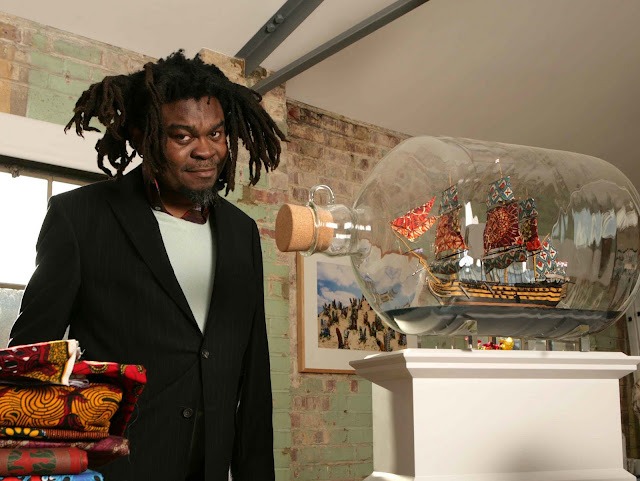
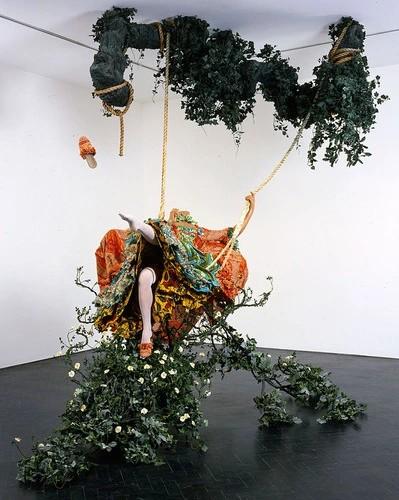
Yinka Shonibare draws on his Nigerian heritage and British upbringing to explore identity, colonial history, globalization, and cultural exchange. He is widely known for using colourful African wax-print fabrics in sculptures, installations, and films.
His works, such as Nelson’s Ship in a Bottle and The Swing (After Fragonard), reimagine European historical narratives through African-inspired materials. Through his art, Shonibare challenges viewers to think about history, power, and cultural identity in new ways.
Wangechi Mutu
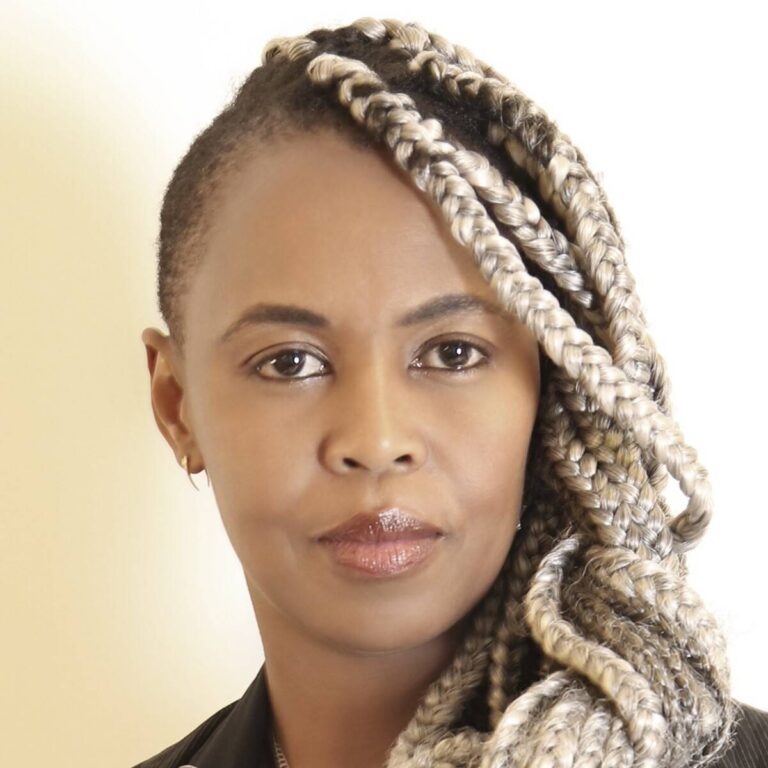
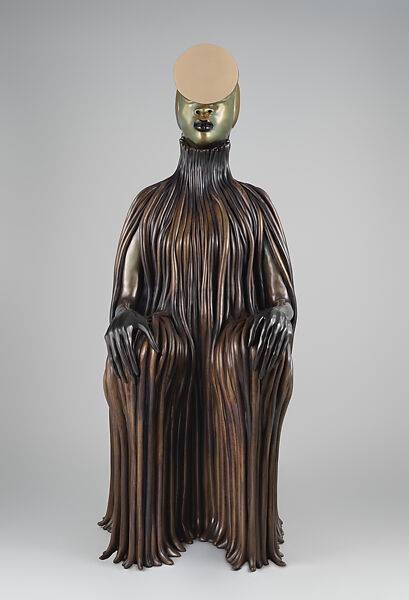
Wangechi Mutu, a Kenyan-born multimedia artist, explores femininity, identity, culture, and the body through collage, sculpture, video, and installation. Her work often combines human, animal, mechanical, and mythical forms to create powerful images of transformation.
Works such as The End of Eating Everything and The Seated I–IV have gained international recognition. Mutu also uses digital platforms to share her work and engage with global audiences, helping more people understand the themes behind her art.
El Anatsui
El Anatsui, a Ghanaian artist, is known for transforming discarded materials into large-scale, fabric-like sculptures. He often uses bottle caps and other recycled materials, linking his work to themes of consumption, history, trade, identity, and the environment.
His work, including Behind the Red Moon at Tate Modern, shows how ordinary materials can be turned into powerful artistic statements. Through exhibitions and online visibility, Anatsui’s art continues to reach audiences around the world.
Kehinde Wiley
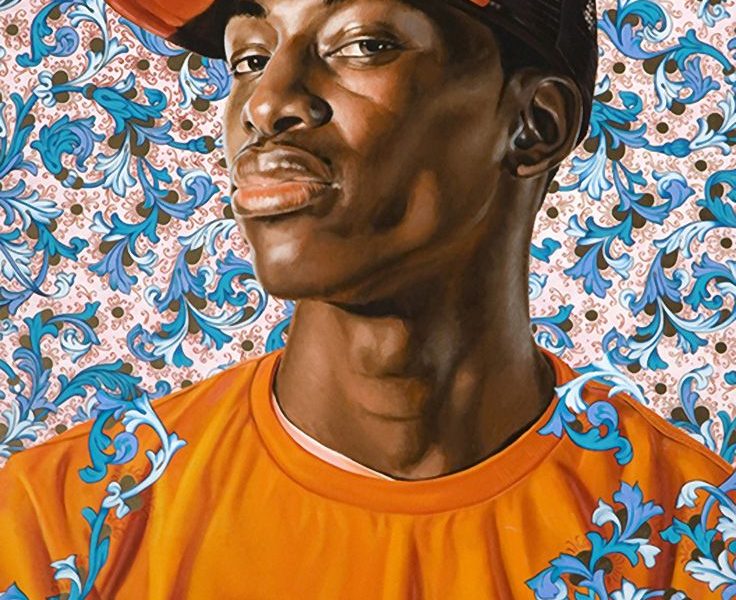
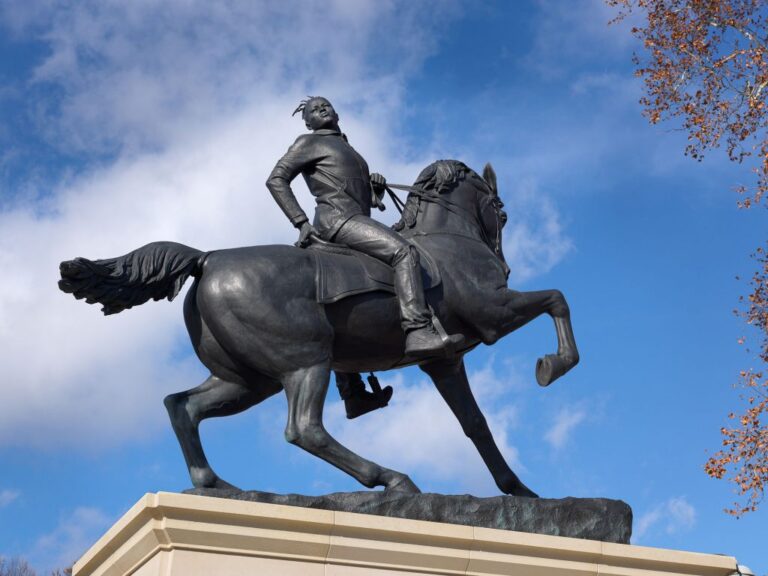
Kehinde Wiley is known for his bold portraits that place Black figures in poses inspired by classical European paintings. His work challenges traditional ideas of power, status, and representation in art history.
Wiley’s famous portrait of Barack Obama and his sculpture Rumors of War have helped bring his work to a global audience. Through digital media and public art, he continues to expand conversations around race, identity, and visibility.
Esther Mahlangu
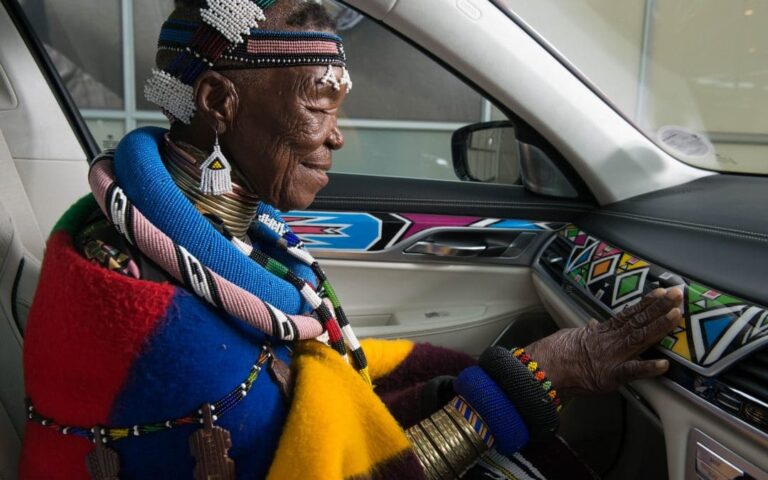
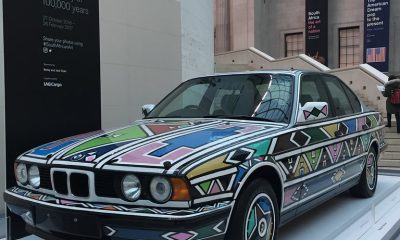
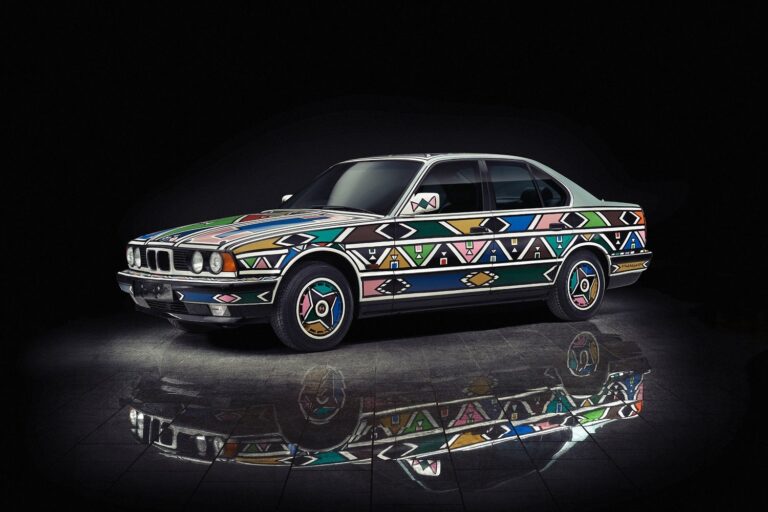
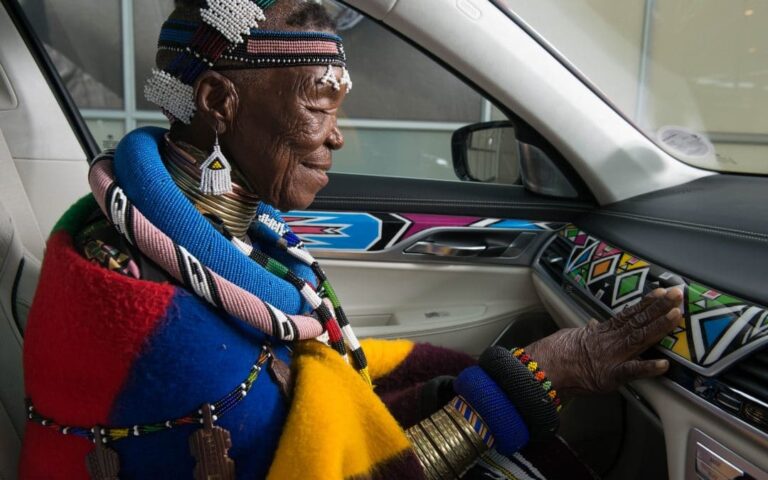
Esther Mahlangu is a South African artist celebrated for preserving and reimagining Ndebele art. Her work is known for its bright colours, strong lines, and geometric patterns.
Trained by her mother and grandmother, Mahlangu has taken traditional Ndebele designs into global spaces through major collaborations, including her work with BMW. Her art shows how traditional African design can remain culturally rooted while also reaching modern international audiences.
The Role of the Dakar Biennale
The Dakar Biennale is one of Africa’s leading contemporary art exhibitions. It provides a platform for African artists to showcase their work, exchange ideas, and connect with global art communities.
Through exhibitions, performances, installations, and digital documentation, the Biennale highlights the diversity of African creativity. It also shows how traditional and contemporary art can work together to express African identity, history, and innovation.
Reaching Global Audiences
Digital platforms have made it easier for African artists to connect with people around the world. Social media platforms such as Instagram, YouTube, and TikTok allow artists to share tutorials, behind-the-scenes content, studio processes, live performances, and completed works.
Online galleries, virtual exhibitions, and digital marketplaces also help artists reach collectors, curators, students, and art lovers beyond their local communities. This increased visibility creates new opportunities for collaboration, education, and commercial growth.
More importantly, it gives African artists the power to explain their work directly to global audiences.
Using Digital Tools Strategically
Technology is changing how African artists create and present their work. Tools such as graphic design software, digital painting apps, photography, animation, augmented reality, virtual reality, and 3D printing allow artists to experiment with new forms.
These tools do not replace traditional methods. Instead, they expand what is possible. An artist can use digital design to reinterpret traditional patterns, create virtual exhibitions of cultural objects, or use video to document a disappearing craft.
This strategic use of technology helps African art remain vibrant, accessible, and relevant.
Amplifying African Voices
Digital platforms have also given African artists greater control over their narratives. In the past, African art was often interpreted by outsiders. Today, many artists can speak directly to audiences, explain their cultural backgrounds, and challenge stereotypes.
By sharing their own stories, African artists are helping to reshape how the world sees African creativity. They are showing that African art is diverse, intellectual, innovative, spiritual, political, and deeply human.
Lastly, African visual arts continue to prove their strength, beauty, and adaptability in the digital age. By combining traditional knowledge with modern technology, African artists are preserving cultural heritage while creating new artistic possibilities.
Through digital tools, global exhibitions, online platforms, and cultural storytelling, African visual artists are making their work more visible and accessible than ever before. Their creativity shows that African art is not only surviving in the digital world; it is growing, evolving, and inspiring audiences across the globe.