How much of what we believe is genuinely our own thinking, and how much is influenced by the algorithms that curate the information we consume?
We currently live in an unprecedented, fast-paced world where decisions are made in seconds—decisions that affect millions, if not billions, of lives at once. Information is the driver of all these decisions, and information has never been spread as easily across the board as it is in today's world.
To put this into context, the American-Russian Cold War was largely fought without anybody firing a single bullet. It was essentially a propaganda war—a battle over who controlled the information their people received, which determines their view of the war.
The introduction of social media has made it very easy for information to be sent to millions of people with ease, making social media a very powerful, if not the most powerful, tool in the world. We are now boxed into the social system, aided by the advancement of smart devices and the almost endless connectivity that is becoming increasingly impossible to ignore.
We now live in a smart world. Our friendships, finances, education, businesses, and even religion are now enabled by internet connectivity. As such, data is now everything. The places we go, the people we talk to, who we send money to, the businesses we patronize, our religious beliefs, and our social views are all forms of data that are being collected and, in some cases, used to create algorithms that carefully suggest content and shape narratives consumed by millions of people.
The algorithm has a greater grip on our everyday lives than we think. Much like the Matrix metaphor, algorithms can subtly influence what we see and engage with, creating the impression of complete freedom while narrowing the range of information we encounter.
Studies suggest that many Millennials and Gen Z users spend several hours daily on smartphones and social media platforms. Millions of pieces of content are shared and viewed every hour. The algorithm suggests related videos or content based on the data it has on a particular user, and these recommendations help shape the user's ideology or, in some cases, reinforce existing beliefs, making the user even more invested in them.
Government organizations, media houses, and political actors have become major beneficiaries of this new-age tool of the mind. In the past, news outlets were the primary sources of verified information, and people often had to wait hours to receive updates. Governments would therefore rely on shaping narratives through these outlets, while social ethics and culture were influenced through movies that often had strong governmental backing, making it difficult for opposition voices to compete.
Today, however, the playing field is more level. It is safe to say that In this digital age, one of the most powerful forces shaping human thought is neither government nor media—it is the algorithm. Invisible yet influential, algorithms determine much of what we see, read, and believe every day.
Although certain assets are still required—such as a large following or influential personalities—these assets help propagate narratives to more people and generate greater reach. The caveat is that it is no longer primarily about verified information; it is about content, reach, and influence. The intended content is often designed to provoke the thought process of the receiver toward making a decision. In many cases, nobody really cares whether the information is true or false. Today, there is a great deal of clickbait on the internet, along with misleading information and content geared toward provoking reactions from viewers, aided by algorithms that carefully study our data and suggest content to us.
A good case study is the recent conflict involving the United States, Israel, and Iran, and how it has consistently received negative reactions from millions of observers, including many Americans. Despite major media houses being influential and, in some cases, facing pressure regarding how events are covered, the reach of social media algorithms has significantly influenced public discourse. This suggests a shift in who controls narratives and how influence is exercised over public opinion, pointing to a more level playing field.
A political example is Nigeria's 2023 presidential election. The ruling party's candidate and eventual winner became increasingly unpopular among many young voters, while opposition candidate Peter Obi gained significant popularity, particularly among youths seeking change from the existing political establishment. Critics, however, pointed out that Obi himself was also part of the political structure many supporters claimed to oppose. Subsequent analyses suggested that a large percentage of his supporters were youths, mainly Millennials and Gen Z.Critics argued that some supporters were more influenced by online narratives than by detailed assessments of his political record. suggesting that social networking, content distribution, and online engagement played a major role in driving the narrative among many of his followers.
The algorithm can be harmless. In its defense, it is a tool designed to help us find quick answers and solve problems. Yet it is also being used to promote various social and political ideologies, from gun rights advocacy to anti-abortion campaigns. More recently, the rise of anti-immigration movements in several parts of the world has been amplified by algorithms that continually push content supporting 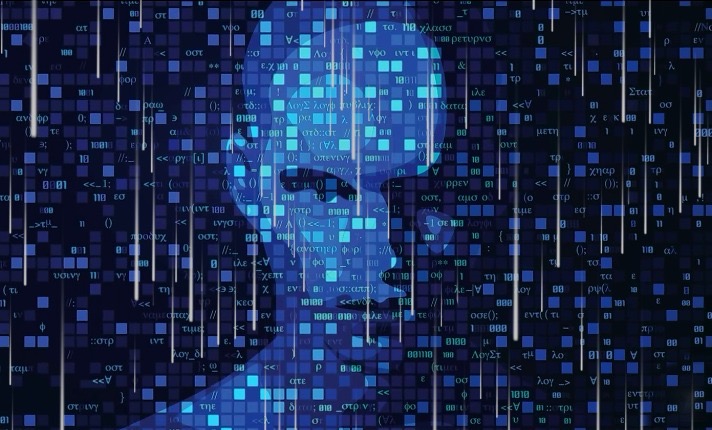 particular viewpoints.
At either extreme, the algorithm has its consequences. In the right hands, it is a tool meant for societal development. In the wrong hands, it can spread fear, hate, and bigotry. Because it has the power to alter or reinforce our views on a subject, it is ultimately a tool that possesses immense influence over the human mind.