
Igbo culture is one of the most vibrant and influential cultures in Nigeria. The Igbo people, also known as the Ibo, are one of the largest ethnic groups in the country. They are widely known for their rich traditions, strong community values, language, art, music, food, and spiritual beliefs.
This article explores the major aspects of Igbo culture and shows why it remains important not only in Nigeria, but also across the world.
Language: The Heart of Igbo Identity
Language plays a central role in Igbo culture. The Igbo language is spoken by millions of people in Nigeria and in Igbo communities around the world. It is a tonal language, which means that the meaning of a word can change depending on how it is pronounced.
Beyond everyday communication, the Igbo language helps preserve history, values, proverbs, stories, and ancestral wisdom. Through language, older generations pass knowledge to younger ones, keeping Igbo heritage alive.
Customs and Traditions: Building Community
Igbo society is deeply rooted in customs and traditions that have been passed down for generations. These traditions guide important moments in life, including birth, marriage, leadership, celebrations, and burial ceremonies.
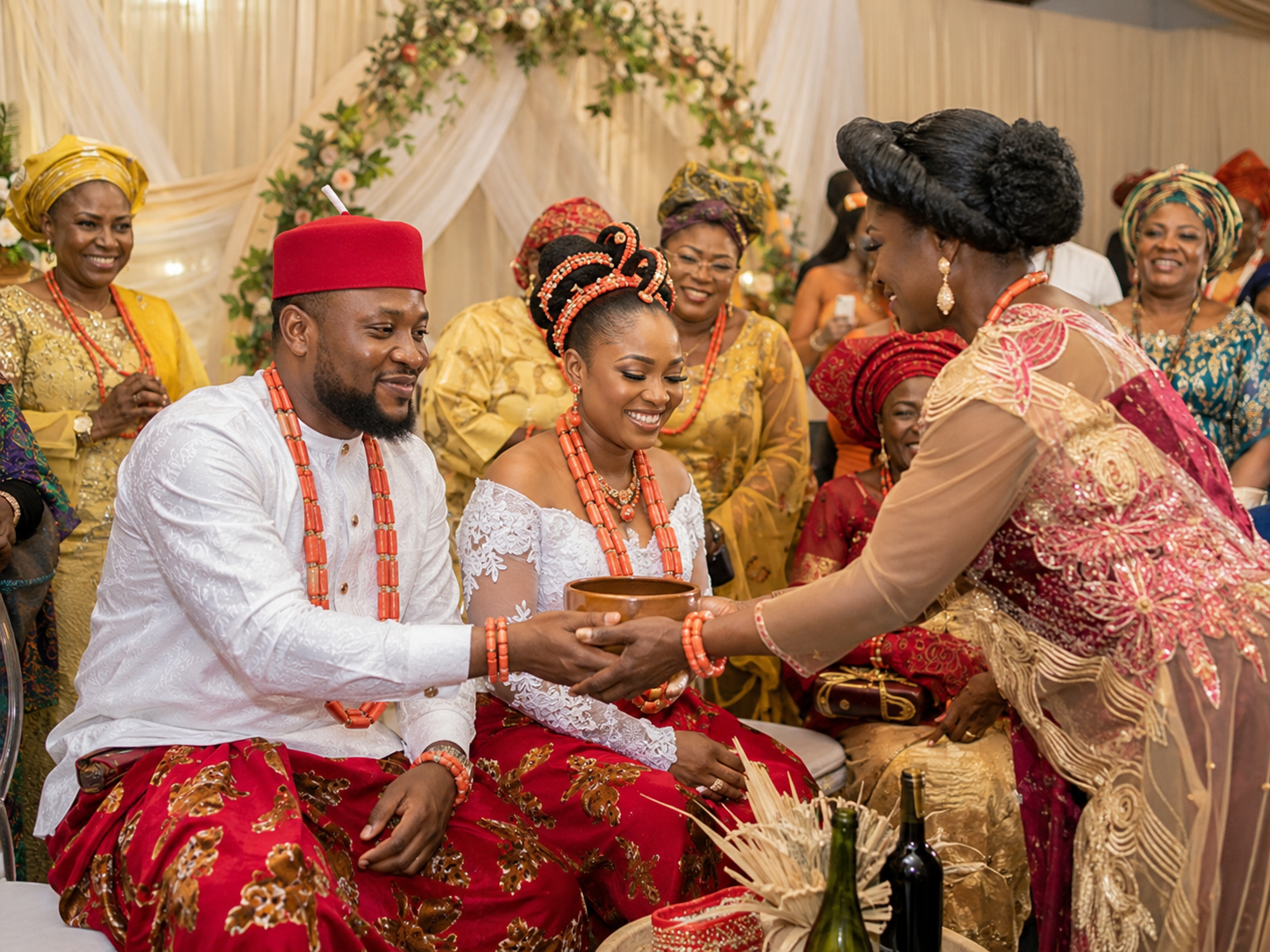
One of the most popular examples is the traditional Igbo wedding. It is a colourful and joyful event that brings two families together. The ceremony often includes prayers, gifts, music, dancing, and symbolic rites that show love, respect, and unity.
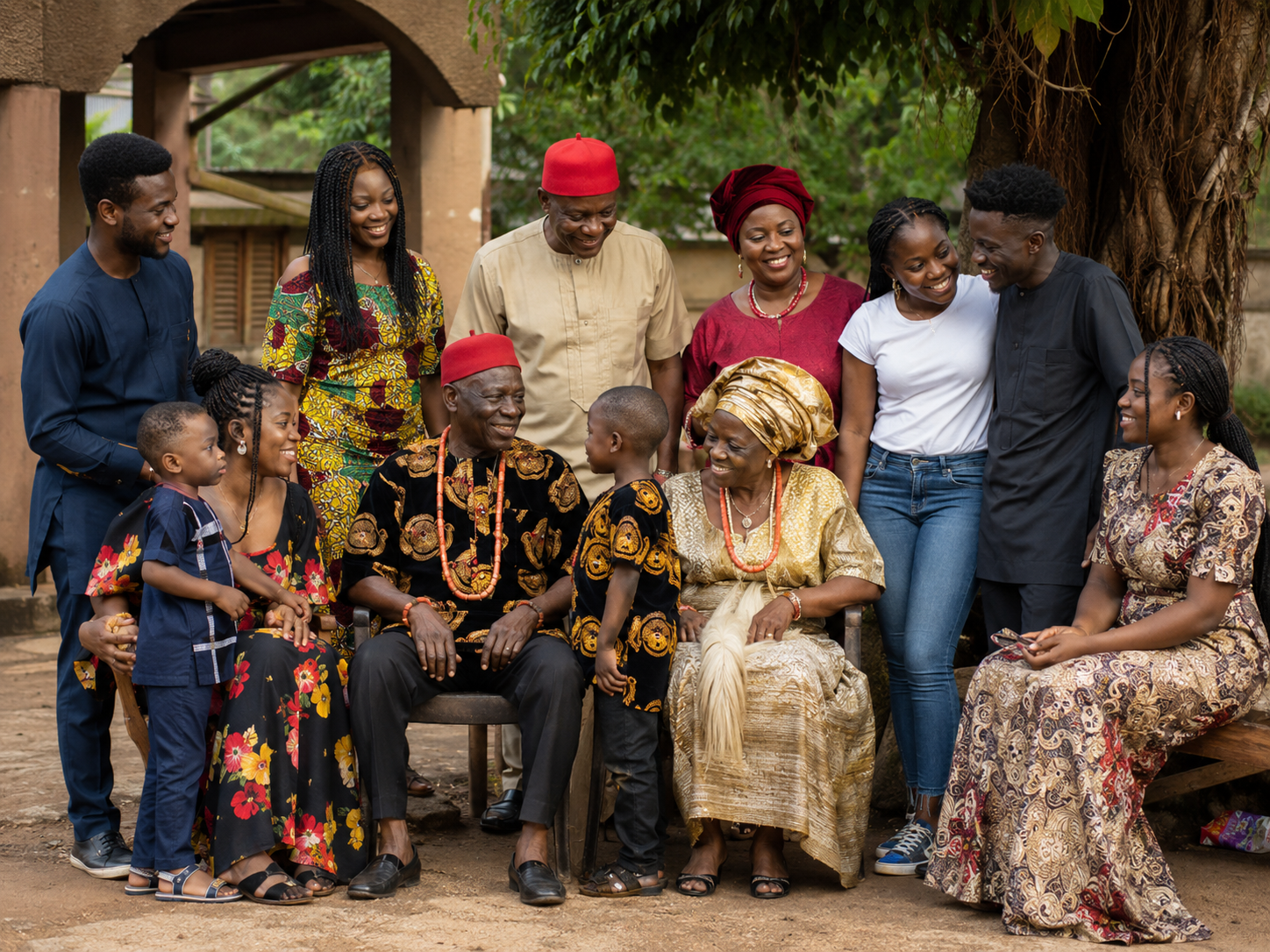
These customs help strengthen family ties and remind the Igbo people of their connection to their ancestors.
Art, Music, and Dance: Expressions of Creativity
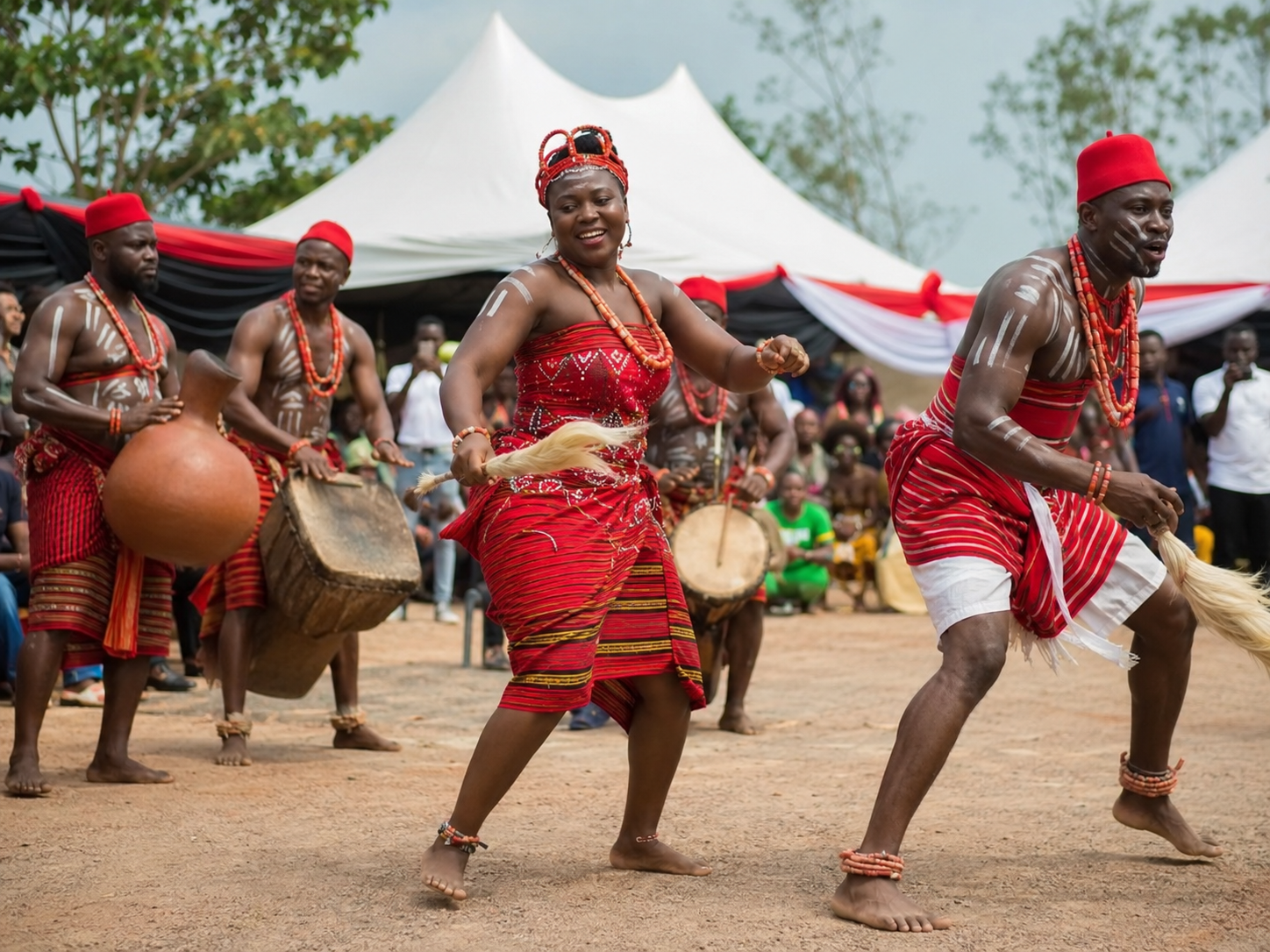
Igbo culture is also rich in artistic expression. Music and dance are important parts of ceremonies, festivals, and community gatherings. Traditional instruments such as the udu and ekwe help create lively rhythms that bring people together.
Dance is more than entertainment in Igbo culture. It expresses joy, identity, history, and community spirit. Through movement, costumes, and rhythm, Igbo dances tell stories and celebrate life.
Igbo visual arts also reflect creativity and craftsmanship. From masks and sculptures to textiles and traditional designs, Igbo art shows the skill and imagination of the people.
Religion and Spiritual Beliefs
Religion is another important part of Igbo culture. Traditionally, the Igbo people believed in a supreme being, deities, spirits, ancestors, and the spiritual forces that influence daily life.
Over time, Christianity became widely practiced among many Igbo communities. Islam is also practiced by some. Today, Igbo religious life reflects a blend of traditional beliefs and modern religious practices.
This shows the adaptability of Igbo culture and its ability to grow while still preserving important parts of its heritage.
Igbo Cuisine: Food as Culture
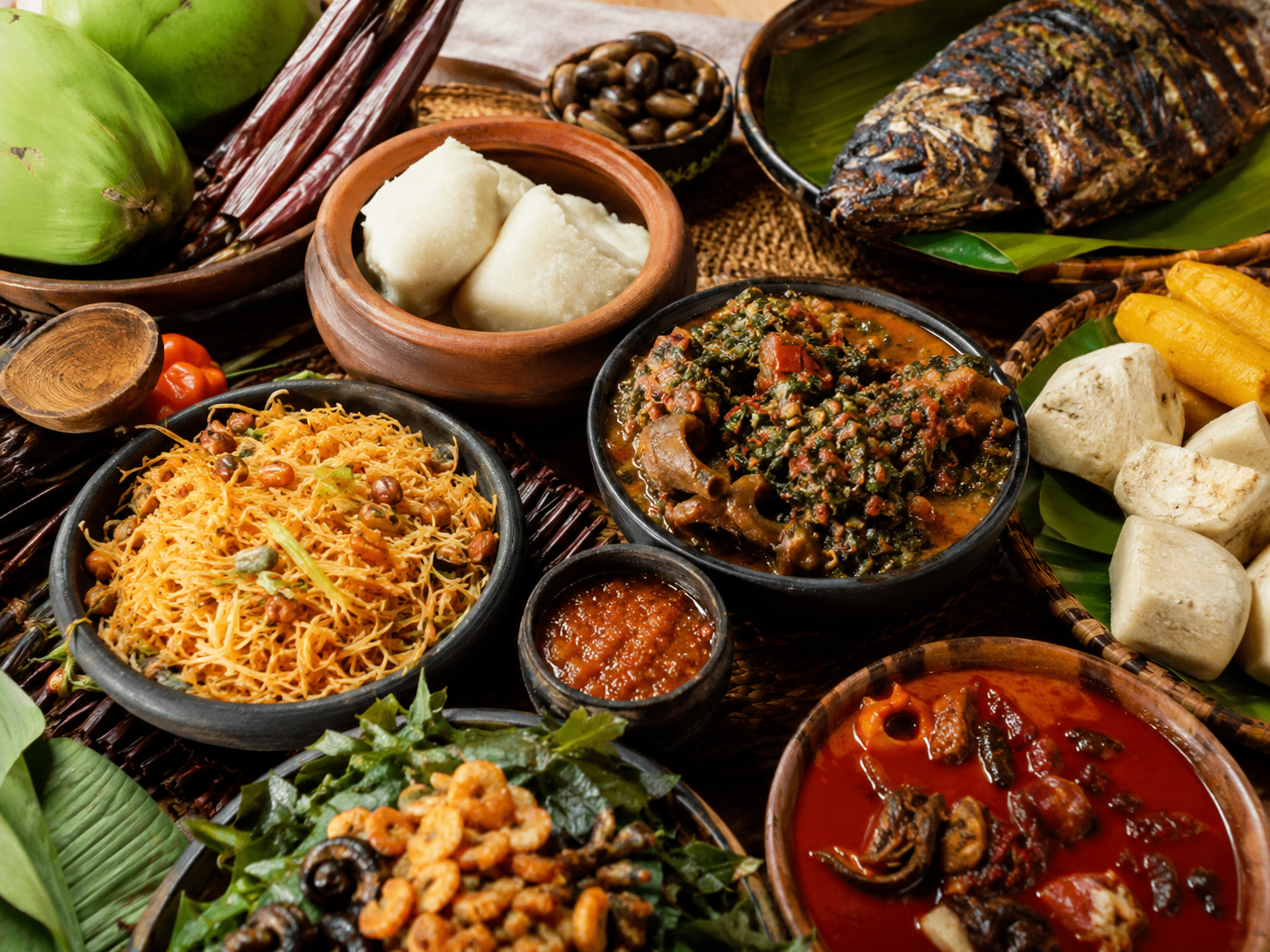
Igbo food reflects the agricultural richness of the Igbo homeland. Common staples include yam, cassava, cocoyam, plantain, and vegetables. These are often served with delicious soups and stews made from local ingredients.
Popular Igbo dishes include yam dishes, ofe onugbu, ofe nsala, abacha, and many other traditional meals. Food is not just for eating in Igbo culture; it is also a way of bringing families and communities together.
Meals are often shared during festivals, weddings, family visits, and other social events, making food an important part of Igbo identity.
Conclusively, the Igbo culture is a living and evolving heritage. It is rich in language, tradition, art, music, spirituality, and food. It reflects the resilience, creativity, and strong communal spirit of the Igbo people.
As Igbo culture continues to influence people within and outside Nigeria, it remains a powerful symbol of African identity, diversity, and cultural pride. Its beauty lies not only in its traditions, but also in its ability to adapt, inspire, and remain relevant across generations.