
There was a time when Nigerian music was mostly understood within the borders of home played at street parties, family gatherings, university campuses, local clubs, religious events, weddings, and neighbourhood celebrations. Today, that same sound has crossed oceans, entered global charts, filled stadiums, influenced fashion, shaped dance culture, and placed Nigeria firmly at the centre of world entertainment.
From Lagos to London, Abuja to Atlanta, Port Harcourt to Paris, Benin City to Berlin, and Enugu to New York, Nigerian music has become one of Africa’s most powerful cultural exports. It is no longer just sound; it is identity, business, diplomacy, soft power, and global influence.
The story did not begin overnight. Nigerian music has always been rich, layered, and constantly evolving. Long before the world began dancing to Afrobeats, Nigeria had already given generations of listeners highlife, juju, fuji, apala, gospel, Afrobeat, hip-hop, reggae, street-pop, and traditional sounds rooted in the languages and rhythms of its many ethnic groups.
Artists such as Fela Anikulapo-Kuti, King Sunny Ade, Ebenezer Obey, Victor Uwaifo, Osita Osadebe, Onyeka Onwenu, Christy Essien-Igbokwe, Oliver De Coque, Shina Peters, Lagbaja, and many others built the foundation. Their music carried stories of politics, love, spirituality, resistance, celebration, and social life. They proved that Nigerian sound could be both deeply local and universally powerful.
Fela Kuti’s Afrobeat remains one of Nigeria’s most influential musical gifts to the world. It was not just music for dancing; it was music for thinking. Through long instrumentals, sharp lyrics, political criticism, jazz influences, Yoruba expression, and African rhythm, Fela turned music into protest and performance into activism. His legacy continues to shape artists across continents.
Then came a new generation.
By the late 1990s and early 2000s, Nigerian pop music began to take a different form. Artists such as 2Baba, D’banj, P-Square, Remedies, Styl-Plus, Plantashun Boiz, Tony Tetuila, Eedris Abdulkareem, and others helped create the bridge between older Nigerian sounds and the modern Afrobeats movement. They showed that Nigerian music could be youthful, commercial, stylish, urban, and exportable.
Lagos became the engine room of this transformation. The city’s chaos, ambition, nightlife, street energy, and creative hunger produced a sound that could not be ignored. In Lagos, music was not made in silence. It was born from traffic, slang, hustle, parties, studio sessions, dance floors, street corners, and the restless imagination of young people determined to be heard.
What followed was the global rise of Afrobeats.
Afrobeats, as it is known today, is not one single sound. It is a broad musical movement that blends African percussion, pop, hip-hop, dancehall, R&B, amapiano, street rhythms, pidgin English, Yoruba, Igbo, Hausa, and other local expressions. Its strength lies in its flexibility. It can be romantic, spiritual, political, playful, luxurious, emotional, or streetwise. It can move from the club to the churchyard, from the village square to the global festival stage.
The world began to listen more closely as Nigerian artists built strong fan bases across Africa and the diaspora. Then streaming platforms, social media, YouTube, TikTok, and global collaborations opened new doors. Nigerian songs no longer needed traditional international gatekeepers to travel. A hit could start in Lagos and become a global anthem within weeks.
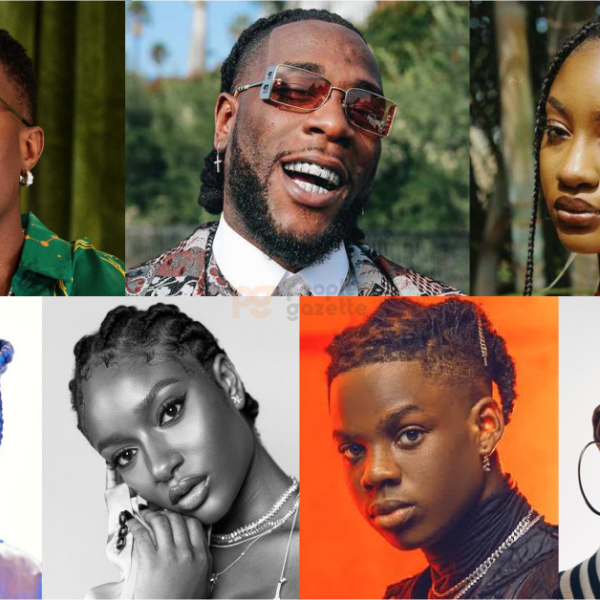
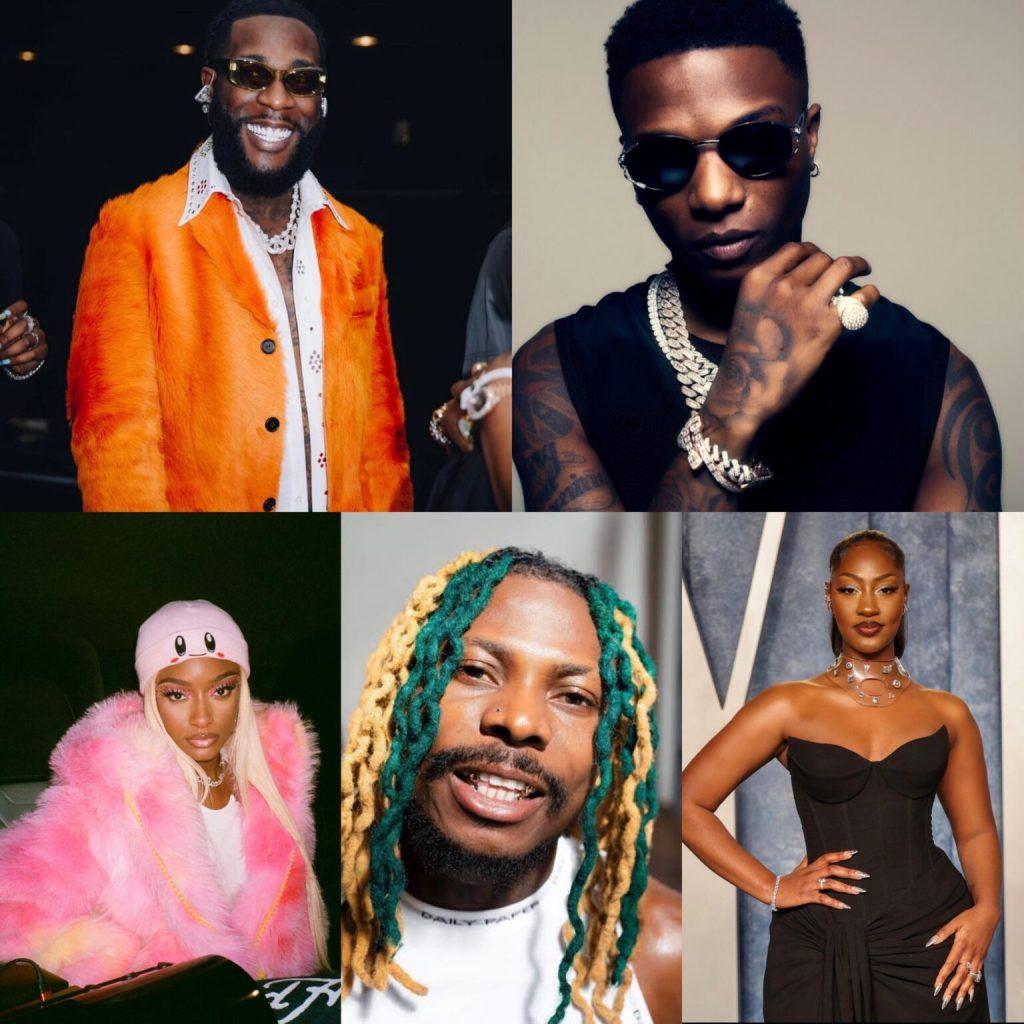
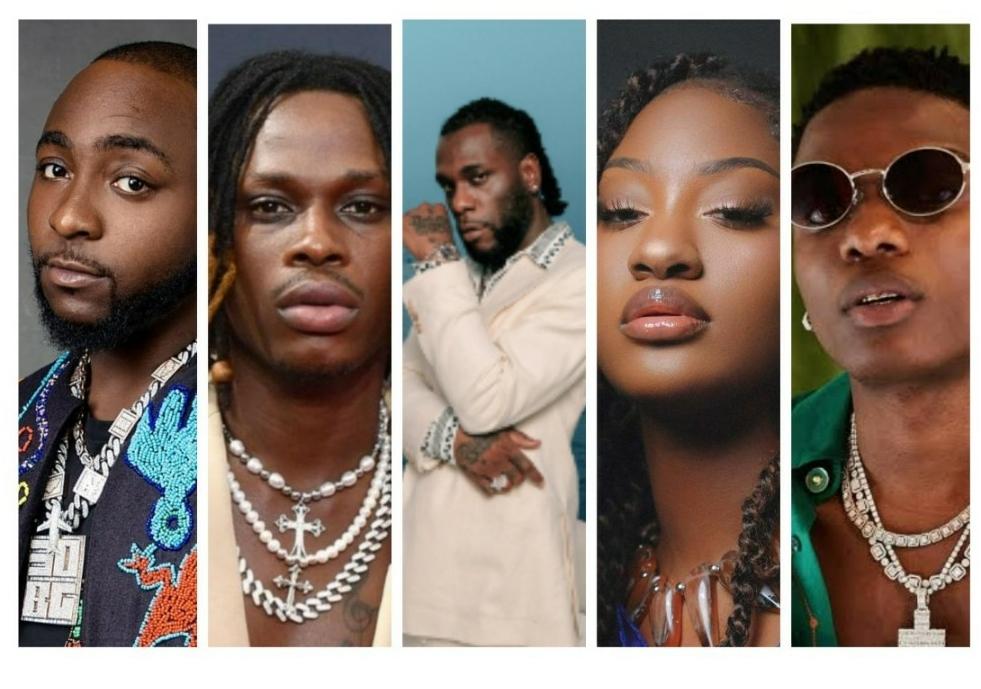
Wizkid, Davido, and Burna Boy became leading faces of this global movement. Each carried a different side of Nigerian music. Wizkid brought smoothness, melody, and understated global cool. Davido brought energy, celebration, and cross-border appeal. Burna Boy brought Afro-fusion, depth, Pan-African confidence, and a strong connection to the legacy of African music.
Their success helped make Nigerian music impossible to ignore. International awards, sold-out arenas, global collaborations, and chart success became part of the new story. But they are not alone. Artists such as Tiwa Savage, Yemi Alade, Olamide, Kizz Daniel, Tekno, Patoranking, Mr Eazi, Naira Marley, Fireboy DML, Rema, Tems, Asake, Ayra Starr, Seyi Vibez, Joeboy, Oxlade, Blaqbonez, and many others have expanded the sound in different directions.
Tems brought a soulful, alternative energy that found a global audience. Rema pushed Afrobeats into younger, futuristic spaces and proved that a new generation could command international attention. Asake fused street-pop, fuji influences, choral arrangements, and amapiano-inspired production into a sound that felt both spiritual and explosive. Ayra Starr became a voice for young African confidence, femininity, and global pop ambition.
The rise of Nigerian music is also the rise of Nigerian youth culture. The music carries the language of the streets, the confidence of a restless generation, and the creativity of a country where young people constantly turn limitation into invention. Through music, Nigerian youth have exported slang, fashion, dance, attitude, and lifestyle.
Dance has played a major role in this journey. From shaku shaku to zanku, legwork, poco dance, and countless viral routines, Nigerian music travels with movement. Social media has turned these dances into global cultural moments, allowing fans across the world to participate in Nigerian sound even when they do not understand every lyric.
The diaspora has also been central to the rise. Nigerians abroad have carried the music into clubs, campuses, festivals, radio stations, weddings, and digital communities. In cities like London, Toronto, Houston, Johannesburg, New York, Berlin, and Amsterdam, the diaspora helped build early international demand. They became listeners, promoters, DJs, influencers, event organisers, and cultural ambassadors.
Nigerian music has also become big business. Beyond album sales and streaming, artists now earn from concerts, endorsements, publishing, brand partnerships, merchandise, licensing, and international tours. Record labels, producers, video directors, stylists, dancers, content creators, managers, and event promoters all form part of the growing industry. The success of Nigerian music has created jobs and opened opportunities for thousands of young creatives.
Yet, the industry still faces major challenges.
Many artists struggle with poor contracts, weak royalty systems, piracy, limited publishing knowledge, inadequate live-event infrastructure, and uneven access to funding. Upcoming musicians outside major cities often find it difficult to break through. Producers and songwriters are sometimes underpaid or under-credited. There is also a need for stronger institutions that can protect intellectual property, train industry professionals, and ensure that the wealth created by music is fairly distributed.
For Nigerian music to grow sustainably, the industry must move beyond talent alone. Talent has brought Nigeria this far, but structure will determine how far it can go. The country needs better music business education, stronger copyright enforcement, more performance venues, improved artist management, investment in creative hubs, and policies that recognise entertainment as a serious economic sector.
There is also a cultural responsibility. As Nigerian music becomes more global, it must not lose the local roots that made it powerful. The world is drawn to Nigerian music because of its originality — its languages, rhythms, confidence, storytelling, and emotional force. The goal should not be to dilute the sound for global acceptance, but to carry its authenticity into wider spaces.
That is the true power of Nigerian music: it does not ask permission to exist. It arrives with rhythm, colour, language, and attitude. It tells the world that Africa is not on the margins of global culture. Africa is shaping it.
From Lagos to the world, Nigerian music has become a movement of pride. It has changed how young Africans see themselves and how the world sees Africa. It has turned local slang into global language, local beats into international anthems, and Nigerian stars into cultural icons.
The journey is still unfolding. New artists are emerging every day. New sounds are being created in bedrooms, studios, campuses, churches, streets, and digital spaces. The next global star may already be recording somewhere in Surulere, Port Harcourt, Benin, Abuja, Ibadan, Enugu, Jos, or Warri.
Nigerian music has travelled far, but its greatest chapters may still be ahead.
What began as rhythm from home has become a global force. And from all signs, the world is still ready to dance.