

For decades, Rivers State has stood at the centre of Nigeria’s oil economy. But behind the wealth generated from crude oil lies a painful reality: polluted rivers, damaged farmlands, unsafe air, and communities struggling with the health and economic consequences of environmental degradation.
Across the Niger Delta, oil drilling, pipeline leaks, illegal refining, gas flaring, and poor environmental management have left deep scars on the land and its people. In Rivers State, the impact has been particularly severe. Many communities have watched their waterways turn black, their fishing livelihoods decline, and their children grow up in environments threatened by pollution.
Against this background, environmental clean-up efforts in the state have become more than a government programme. They represent a fight for survival, dignity, and justice.
A New Push for Environmental Action
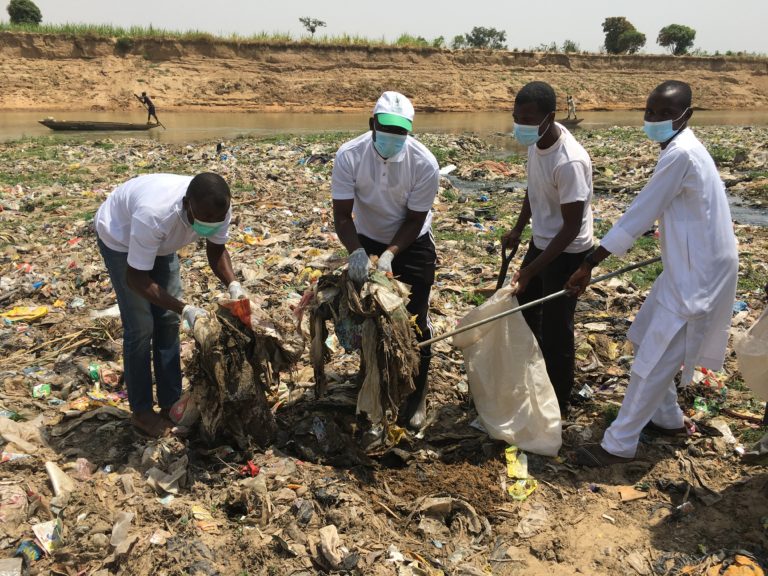
In recent years, the Rivers State Government has partnered with non-governmental organisations and community groups to address pollution and promote environmental restoration. The goal has not only been to clean up contaminated areas, but also to build awareness, strengthen community participation, and encourage more responsible environmental practices.
This approach is important because past clean-up efforts across the Niger Delta have often been criticised for being slow, poorly coordinated, or disconnected from the needs of affected communities. For residents who have lived for years with polluted water, damaged farms, and health concerns, promises are no longer enough. What they want is visible action.
Civil society organisations have continued to call for stronger collaboration between government, oil companies, and local communities. Groups such as Kebetkache Women Development and Resource Centre have repeatedly drawn attention to the urgent need for clean-up in areas affected by oil pollution, including communities impacted by the activities of major oil operators.
Their message is clear: environmental restoration cannot be delayed.
More Than Cleaning Polluted Land
The Rivers State environmental clean-up initiative was designed around two major goals: remediation and public education.
The first goal is direct action — removing oil waste, cleaning polluted waterways, and restoring damaged environments. The second is awareness — helping local people understand sustainable practices, environmental protection, and the dangers of activities such as illegal refining and careless waste disposal.
This combination matters. Clean-up alone is not enough if the causes of pollution continue unchecked. Communities must be empowered with knowledge, resources, and support so they can protect their environment long after official interventions end.
For many local residents, the initiative offered a sense of hope. In communities where pollution has become part of daily life, any serious effort to restore the land is deeply meaningful. It tells people that their suffering is being recognised and that their environment is worth saving.
The Role of Communities
No environmental recovery plan can succeed without the people who live closest to the damage. Local communities are not just victims of pollution; they are also key partners in the solution.
Residents know the creeks, farmlands, fishing routes, and polluted sites better than anyone else. Their participation helps identify the most affected areas, monitor progress, and ensure that clean-up efforts respond to real needs.
Community involvement also builds ownership. When people are included in environmental restoration, they are more likely to protect the progress made. This is why education, town hall engagement, training, and local mobilisation must remain central to any clean-up effort in Rivers State and the wider Niger Delta.
NGOs as Drivers of Accountability
Non-governmental organisations have played an important role in bringing environmental issues in the Niger Delta to national and international attention. They help amplify the voices of affected communities, provide technical support, mobilise residents, and hold powerful institutions accountable.
Organisations such as Environmental Rights Action/Friends of the Earth Nigeria have long advocated for environmental justice in oil-producing communities. Their work shows why civil society involvement is essential. Government action is important, but without independent monitoring, public pressure, and community advocacy, environmental promises can easily fade.
NGOs also help bridge the gap between communities and institutions. They translate local concerns into policy demands and ensure that affected people are not left out of decisions that directly affect their lives.
The Soot Problem and Urban Pollution
Environmental degradation in Rivers State is not limited to oil spills in rural communities. Urban areas, especially Port Harcourt, have also faced serious pollution challenges, including the soot crisis linked to illegal refining and other industrial activities.
For residents, soot is not an abstract environmental issue. It settles on windows, cars, clothes, food, and in homes. More importantly, it raises concerns about respiratory illness and long-term public health risks.
Campaigns such as the SootCity initiative have helped draw attention to this problem by pushing for stronger public awareness, better enforcement, and more decisive government action. These efforts show that environmental protection must address both rural oil-producing communities and urban populations affected by pollution.
A Wider Niger Delta Challenge
The environmental struggles of Rivers State reflect the wider crisis across the Niger Delta. For decades, the region has carried the burden of Nigeria’s oil wealth while many of its communities continue to live with polluted land, unsafe water, poor infrastructure, and limited economic opportunities.
The United Nations Environment Programme’s assessment of Ogoniland revealed the seriousness of the challenge, noting that full environmental restoration could take decades. This shows that the problem is not one that can be solved with temporary campaigns or symbolic gestures. It requires long-term planning, funding, accountability, and political will.
A Model for the Future
Despite the scale of the problem, collaboration between government, NGOs, and local communities offers a path forward. When these groups work together with sincerity and transparency, environmental restoration becomes more realistic.
The Rivers State clean-up efforts show that meaningful progress is possible when affected communities are included, civil society is engaged, and government takes responsibility. Such collaboration can serve as a model for other parts of the Niger Delta facing similar environmental challenges.
But for the model to succeed, it must go beyond public statements. It must deliver measurable results: cleaner waterways, restored farmlands, safer air, healthier communities, and stronger enforcement against polluters.
Restoring Land, Health, and Dignity
Environmental clean-up in Rivers State is not just about removing oil from water or waste from land. It is about restoring livelihoods. It is about protecting children. It is about giving communities back their dignity. It is about proving that development should not come at the cost of human life and environmental destruction.
The Niger Delta has given much to Nigeria. Now, its people deserve serious investment in healing the land that has sustained the nation for generations.
Rivers State’s partnership with NGOs and communities is a step in the right direction. If sustained, strengthened, and properly monitored, it can become a beacon of hope for the wider Niger Delta — and a reminder that environmental justice is not a favour to oil-producing communities, but a responsibility owed to them.