
Not too long ago, if someone told you they made a living posting videos online, reviewing gadgets, writing newsletters, or talking to a camera in their bedroom, you might have smiled politely and thought, "That's... nice. But what's your real job?"
Today that same person might earn more than the manager of a multinational company. Funny how fast things change, right?
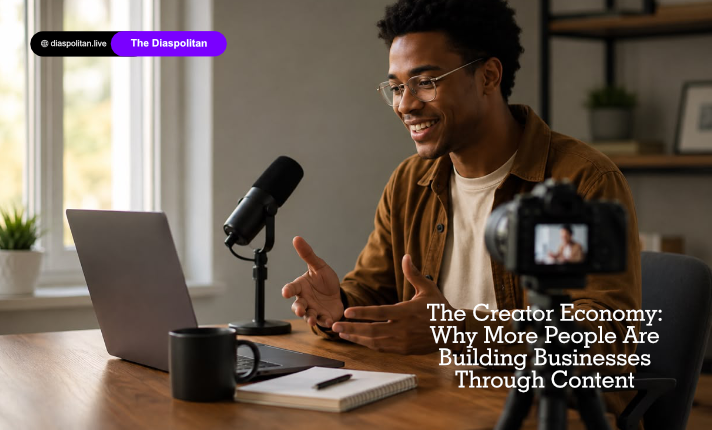
These days, the internet has quietly rewritten the rules of work. Instead of waiting for a television station to give you airtime or a newspaper to publish your ideas, you can build your own audience. With a smartphone, a stable internet connection and something worth sharing, anyone can start. This is what many people call the creator economy.
The creator economy sounds fancy. It isn’t. It’s just people creating content, building trust with an audience, and monetizing it. Sometimes with ads. Sometimes with products, services, memberships, courses, or t-shirts with a catchphrase.
Of course, not everyone who posts online becomes wildly successful. If that were the case, we’d all be filming ourselves making coffee every morning and calling it “business.” The creator economy isn’t some magical shortcut to wealth. It doesn’t bypass the basics: consistency, skill and trust. And it rewards those values far more than it rewards going viral.
One of the reasons why content has become so valuable is because, naturally, people want to connect with other people. They want to know who’s behind a product before buying it or a service before choosing it. That’s why most of us watch reviews before buying a phone. We look up restaurants and their ratings before visiting and we follow professionals to know how they think before deciding whether to work with them. Visibility creates familiarity and familiarity often builds trust.
For example, there are two talented photographers. One quietly waits for clients to discover their work either through referrals or occasional fliers. The other regularly shares behind-the-scenes videos, editing tips, client stories, and finished projects online. Both may produce excellent work, but the second photographer gives people more reasons to remember them. It doesn’t guarantee more clients but increases the chances that someone thinks of them when an opportunity comes up.
Content has become less about showing off and more about showing up. This shift has changed some businesses too. Nowadays, restaurants post cooking videos instead of relying solely on billboards; doctors explain medical topics on social media; and architects walk viewers through building designs. Even museums have discovered that ancient history becomes surprisingly entertaining when someone explains it with enthusiasm and some dramatic soundtrack.
The point isn’t that everyone has suddenly become a content creator; it’s that almost every profession now has the option to communicate directly with the people it hopes to serve. Yes, there are understandable concerns. People worry that we’re becoming a society that believes everything must be filmed: that a dinner isn’t real until someone records it and a vacation feels incomplete without a dozen photos to prove it happened. There are moments when it seems as though the camera arrives before the experience itself. Others question whether algorithms are rewarding entertainment over expertise. Because why would a catchy thirty-second video reach millions while a thoughtful work receives far less attention? This reminds us that popularity and quality don’t always accompany each other. These are fair observations and are worth discussing. Still, it’s difficult to ignore the opportunities the internet has created.
The internet has made it possible for a German teacher in Bayelsa State, Nigeria to reach students in London. A designer in Nairobi can work with clients in Toronto. A baker in Manila can inspire someone in São Paulo. Geography matters far less than it once did. That’s a remarkable shift. For small businesses, content is one of the most affordable ways to compete. Instead of spending huge sums on ads, a business can share its story, explain its products and let customers get to know the people behind the brand. After all, people often buy into people before they buy their products.
That doesn’t mean that every post needs cinematic drone shots, perfect lighting or motivational background music that sounds like someone who’s about to propose to the love of their life. Sometimes, authenticity travels further than perfection. That explains why the posts that perform best are often the ones that feel the least rehearsed.
Perhaps the biggest lesson from the creator economy isn’t about making videos or chasing followers. It’s about visibility. You don’t have to dance on camera unless that’s genuinely your thing. You don’t need to become an influencer or share every detail of your life online. But if your work actually helps people, promoting it is no longer optional. For many businesses, it’s the job now. Great work deserves to be discovered. The creator economy is still evolving, and no one can predict where it’ll be in ten years. Platforms will come and go. Algorithms will change. But a few things will remain: people looking for knowledge, entertainment, inspiration, and connection from other people.
Content isn’t about grabbing attention. At its best, it’s about creating value before asking for anything in return.